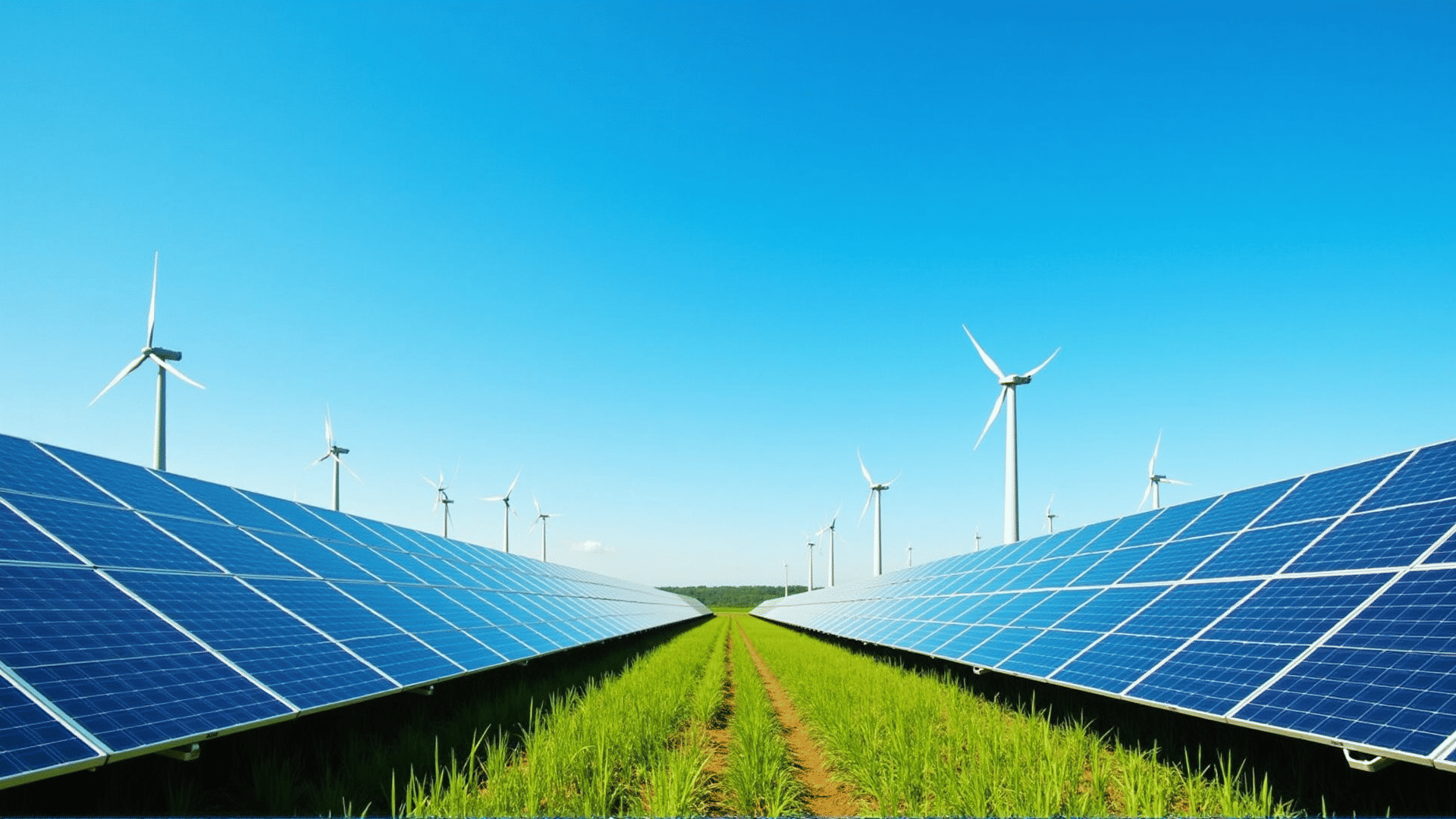
Climate change and environmental degradation present pressing challenges that have cast a spotlight on the urgent need for sustainable energy solutions. As the global community strives to reduce carbon emissions and transition to clean energy, innovative technologies are at the forefront, driving this crucial transformation. Here, we explore some of the most promising sustainable energy innovations shaping the future.
1. Solar Panel Advancements
Traditional solar panels have significantly increased energy generation efficiency, but recent advancements take this further. Bifacial solar panels, capable of capturing sunlight on both sides, increase yield by absorbing reflected light from the ground. Additionally, perovskite solar cells, known for their lightweight and flexibility, tackle the limitation of conventional silicon cells by promising higher efficiency levels and reduced manufacturing costs.
2. Wind Power Efficiency
Wind power continues to capture investment due to its scalable nature. Innovations such as vertical-axis wind turbines (VAWT) are being developed to harness wind power in urban environments. These turbines, which can generate electricity regardless of wind direction, are suitable for rooftops and small, urban spaces, expanding the possibilities for wind energy usage across varied landscapes.
3. Energy Storage Breakthroughs
The key to promoting renewable energy lies in effective energy storage. Advancements in battery technologies, such as solid-state batteries, offer greater energy density and longer lifespans with decreased fire risk compared to their lithium-ion counterparts. Moreover, the development of flow batteries provides the ability to store large amounts of energy with quick recharging capabilities, essential for supporting grid stability and meeting peak demands.
4. Green Hydrogen
Positioned as a formidable solution for hard-to-decarbonize sectors, green hydrogen is produced using renewable energy sources to split water into oxygen and hydrogen. This carbon-neutral fuel can be utilized to power industries, vehicles, and even generate electricity. As technology progresses, improving production efficiency and reducing costs remain critical for widespread adoption.
5. Marine Energy Technologies
Covering approximately 71% of the Earth's surface, oceans offer untapped potential through marine energy. Innovations in wave and tidal energy harness ocean movements to generate power. Tidal stream generators and wave energy converters are both areas under intense research and investment, presenting opportunities for reliable, predictable energy production that complements other renewable sources.
6. Geothermal Energy Advances
Geothermal energy, traditionally exploited in regions with volcanic activity, is receiving attention due to enhanced geothermal systems (EGS). These systems enhance subsurface heat extraction by creating fractures in hot dry rocks. Advances in drilling technology and subsurface mapping further aid in accessing deeper and less accessible geothermal resources, expanding geothermal energy's geographical reach.
7. Smart Grids and Energy Management Systems
A modern complement to renewable energy generation is the deployment of smart grids. These advanced systems utilize digital communication technology to monitor, control, and optimize the production and distribution of electricity. Enhanced grid resilience and efficiency, alongside energy management systems, empower consumers to optimize their energy usage, further facilitating the integration of decentralized renewable energy resources.
In conclusion, the realm of sustainable energy is rich with innovation and dynamic progress. Achieving a sustainable future is not limited to developing new technologies but also involves rethinking our energy consumption patterns and embracing smart solutions. As these innovations mature, they will not only secure our energy future but also safeguard our planet, leaving a legacy of sustainability for generations to come.